

The Botanical Gardens at Asheville is a 10-acre garden beside the University of North Carolina at Asheville, dedicated to native plants and habitats of the Southern Appalachians. It’s about 54.3 miles from this two-star inn in Elizabethton, making it a longer regional outing; check the route and conditions before you leave.
- Location: 151 W.T. Weaver Boulevard, Asheville, North Carolina 28804.
- Garden size and trail: 10 acres, with a loop trail of about one-half mile.
- Seasonal highlight: April and May are the spring wildflower blooming season.
- Before planning: Confirm current hours, admission and access details with the garden.
What to expect at the gardens
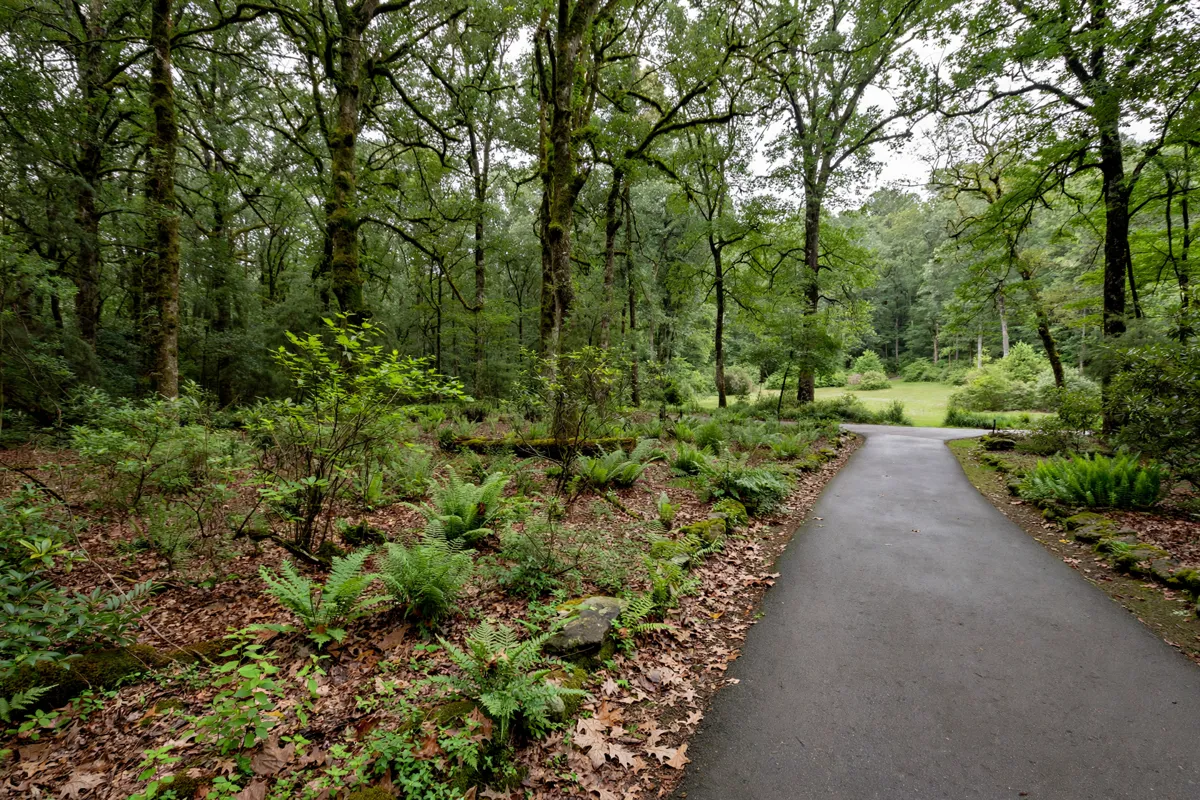
The Botanical Gardens at Asheville pairs a short loop trail with wooded grounds and plant communities from the Southern Appalachians. Explore Asheville describes about 600 species of Appalachian wildflowers, flowering shrubs and flowering trees in the garden.
The loop is about one-half mile long. The garden map is available in the Visitor Center, and labels features including the Hayes Cabin, Margie’s Springhouse, Moon Tree, Sycamore Meadow and Peyton Rock Outcrop. It also marks the Botany Center, a gazebo and a covered seating shelter.
Use the map to orient yourself before choosing a route: it distinguishes the loop from side trails and shows stairs, pavement, a paved city greenway and a one-way parking area.
The map also marks the Water Garden and Sunshine Meadow, along with the Green Bridge, which crosses Glenn’s Creek. The bridge was named for donor Gay Green and erected during the garden’s early development.
Garden areas and seasonal interest
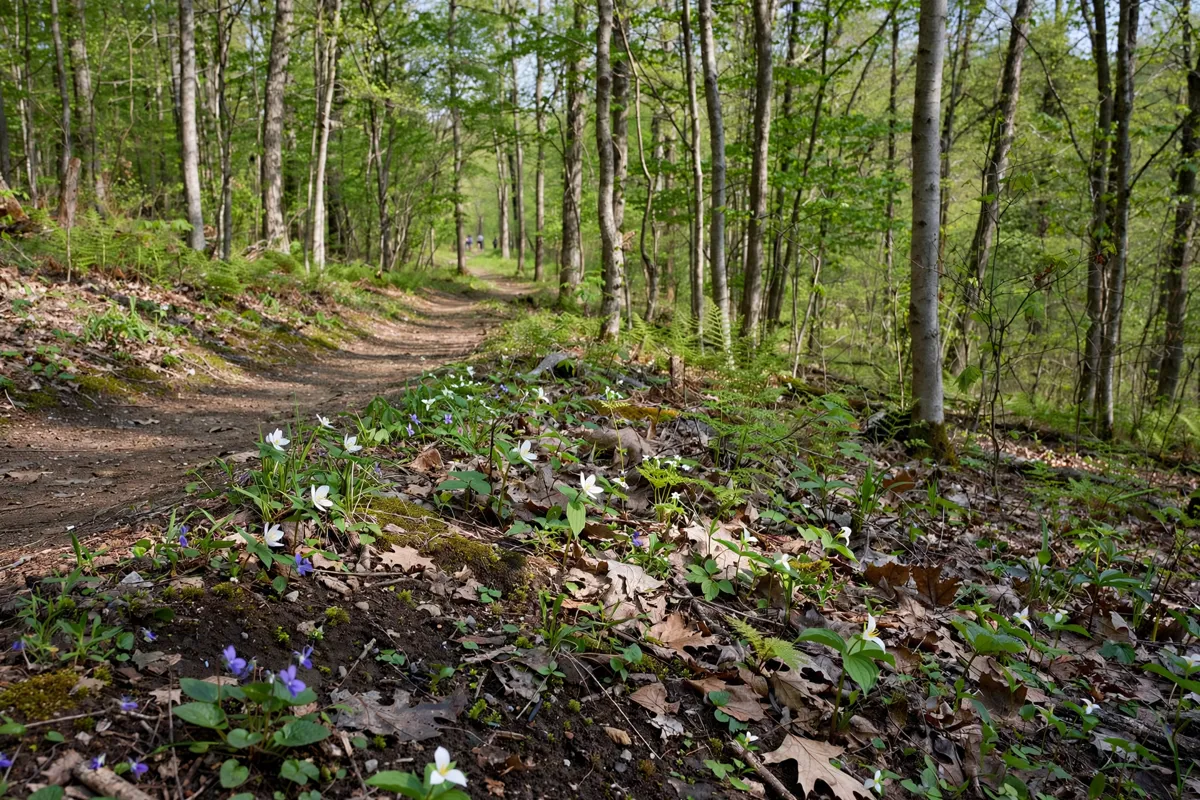
April and May are the garden’s spring wildflower blooming season, so that is the seasonal window to consider if wildflowers are central to your plans. Flowering shrubs and trees add to the broader mix of Appalachian plants found across the grounds.
The garden’s history began with an organizational meeting held by 61 Asheville civic leaders and nature enthusiasts on November 13, 1960. The central wildflower trail was dedicated in 1961, and planting began in earnest in March 1964. That early focus on regional flora still shapes the garden’s layout and purpose.
The annual “Day in the Gardens” spring plant sale and festival began in May 1969 and has been held each year since. Because it is a regular event, you can check the garden’s official information for details about its timing and arrangements before making plans around it.
Hours, access, and visitor rules
Check the official site before you go for current hours, admission information and access details. The garden’s listed phone number is 828-252-5190.
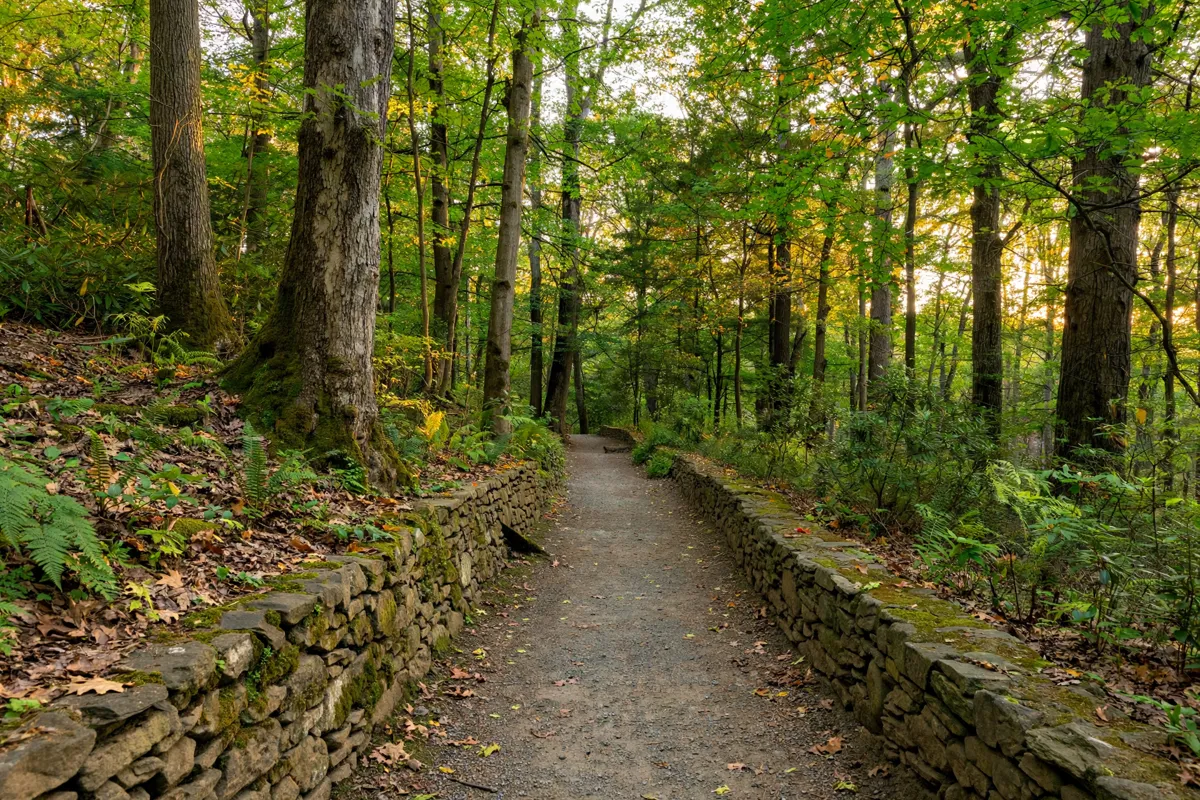
Use the garden map to see the marked trail types, stairs, paved sections and parking layout. For questions about whether a particular path or facility will suit your needs, contact the garden directly; access details can change, and the map alone may not answer every practical question.
How do you plan the drive from Elizabethton?
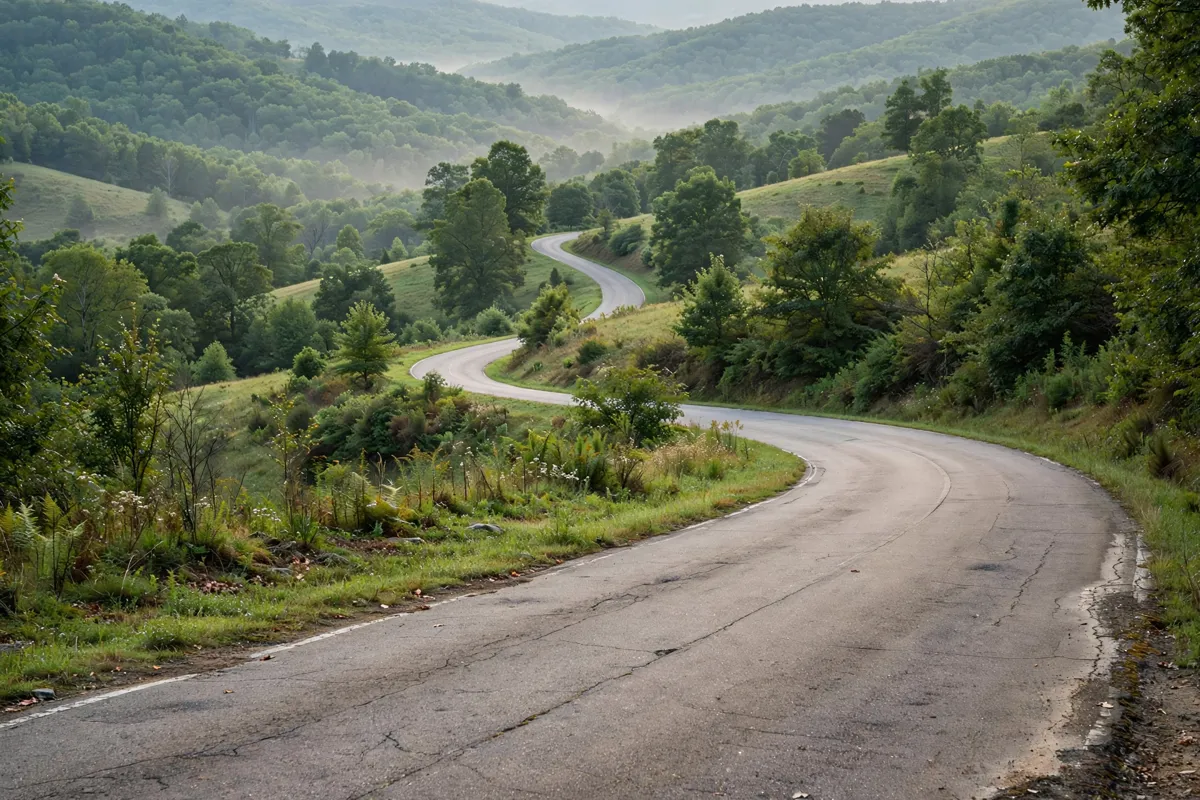
Plan the drive as a longer trip from Elizabethton, and confirm your route and conditions before leaving. The garden is at 151 W.T.
Weaver Boulevard in Asheville; the available route information does not establish a recommended drive or current traffic and parking conditions, so check those details for your travel day. For another regional outing, things to do in Linville Falls can also be part of trip planning from Elizabethton.
Once you arrive, start at the Visitor Center for a map, then choose the loop or a side trail based on the route you want to walk. Keep the garden’s half-mile loop and the map’s markings for stairs and pavement in mind as you plan your time on the grounds.
FAQs
Where is the Botanical Gardens at Asheville?
It is at 151 W.T. Weaver Boulevard in Asheville, North Carolina, beside the University of North Carolina at Asheville.
How long is the garden trail?
The loop trail is about one-half mile long. The garden map also shows side trails.
When do spring wildflowers bloom?
April and May are identified as the spring wildflower blooming season.