

Roan Mountain State Park is a 2,000-acre state park at the base of Roan Mountain, with hardwood forest, rugged ridges and outdoor activities for a day trip from Elizabethton. You can choose a hike, look for wildflowers on recommended trails or spend time along the Doe River.
- Setting: At the base of Roan Mountain, among hardwood forest and rugged ridges.
- Day-use trails: Approximately 12 miles of hiking trails, from easy to strenuous.
- Mountain biking: Approximately 3 miles of trails.
- Route: Highway 19E from Elizabethton leads to the park’s main road, Highway 143.
Why make the drive to Roan Mountain?
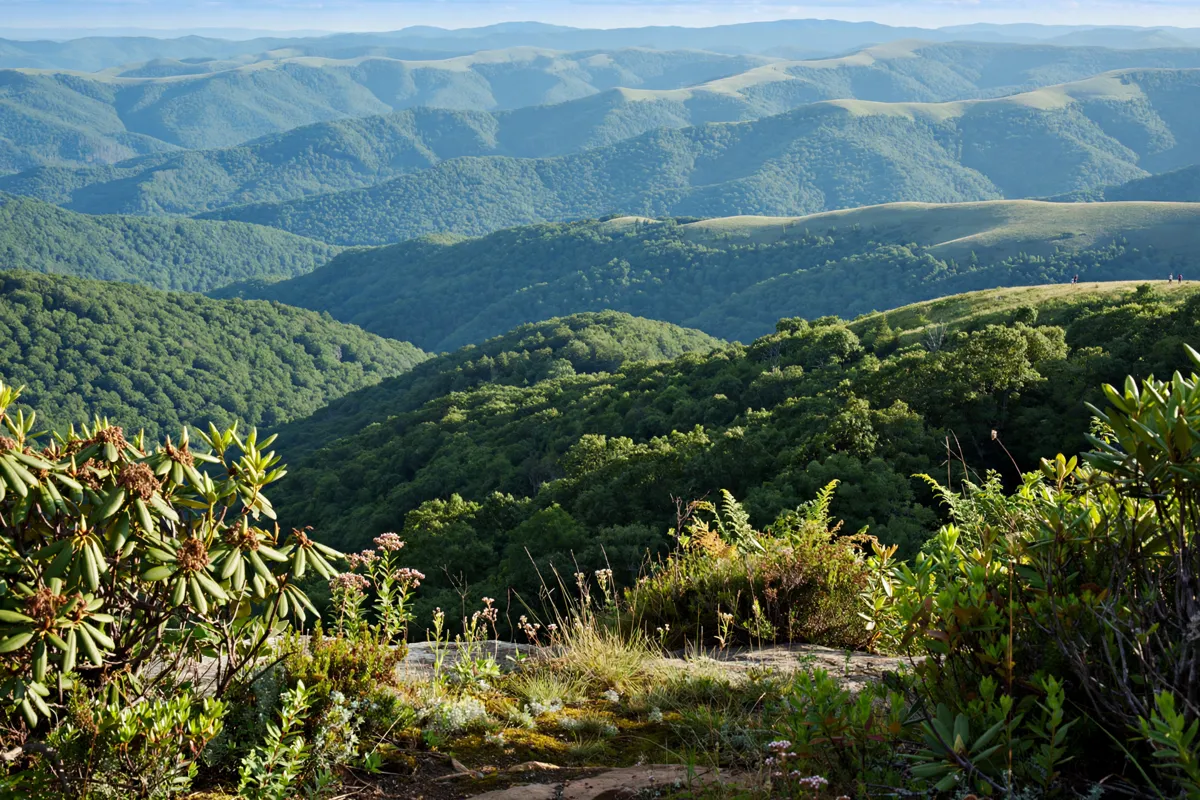
Roan Mountain State Park gives you a change of scenery, with forest, mountain ridges and the Doe River within one park. Created in the 1950s and developed in the 1970s, it offers a substantial outdoor day out, whether you plan to hike or keep your visit focused on the river and overlooks.
For an Elizabethton start, Highway 19E is identified as a route to Highway 143, the park’s main road. The park’s different landscapes also make it possible to shape your day around a trail, a riverside stop or a viewpoint rather than a single activity. A practical guide to Watauga Lake from Elizabethton covers another regional day-trip destination.
How can you plan a day in the park?
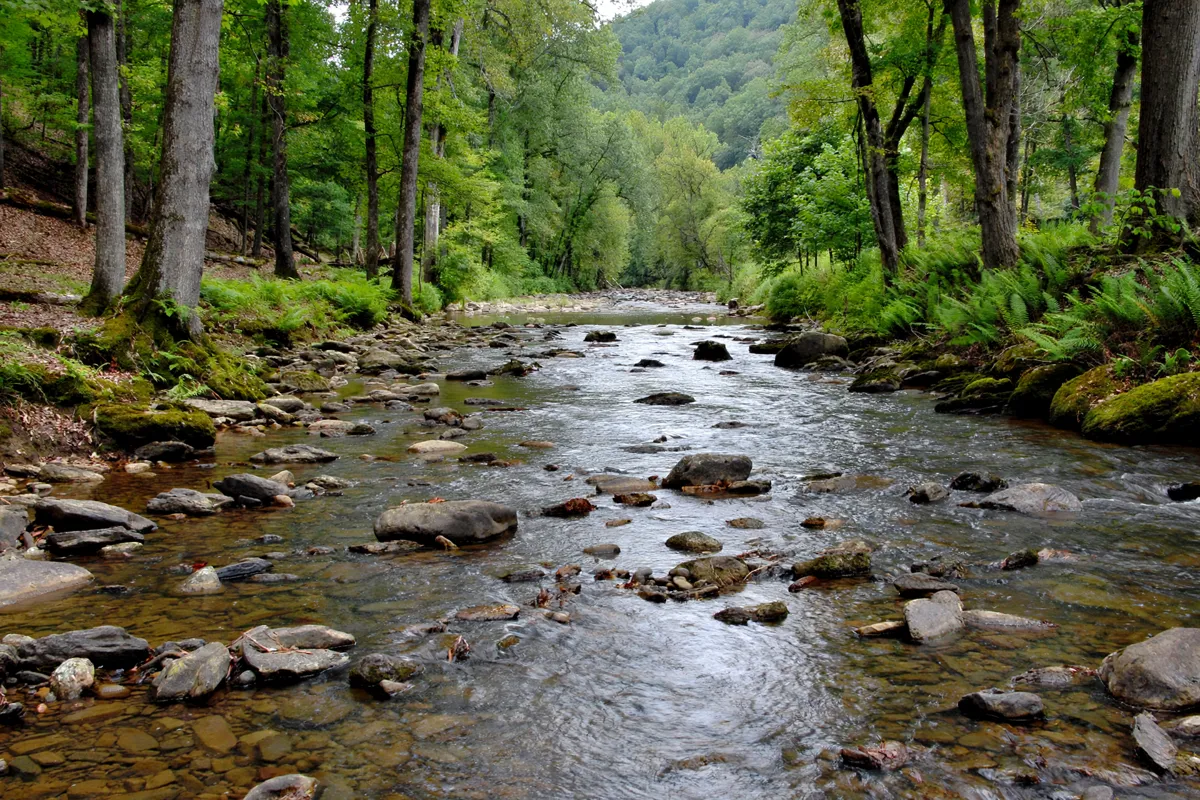
A flexible plan is to choose a trail first, then leave time for the Chestnut Ridge Overlook or the Doe River. The park identifies wading and fishing as activities on the river; do not stack or move river rocks.
- Pick your main activity. Decide whether hiking or mountain biking will anchor the visit. Hiking trails range from easy to strenuous.
- Add a viewpoint. The Chestnut Ridge Overlook looks out over the Roan Highlands mountain range.
- Leave room for the river. The Doe River flows through the park, where the state park highlights wading and fishing.
The park has approximately 12 miles of day-use hiking trails and approximately 3 miles of mountain-biking trails. That gives you options for a more active outing without requiring you to combine every activity in one day.
Which trails and seasonal scenery should you look for?
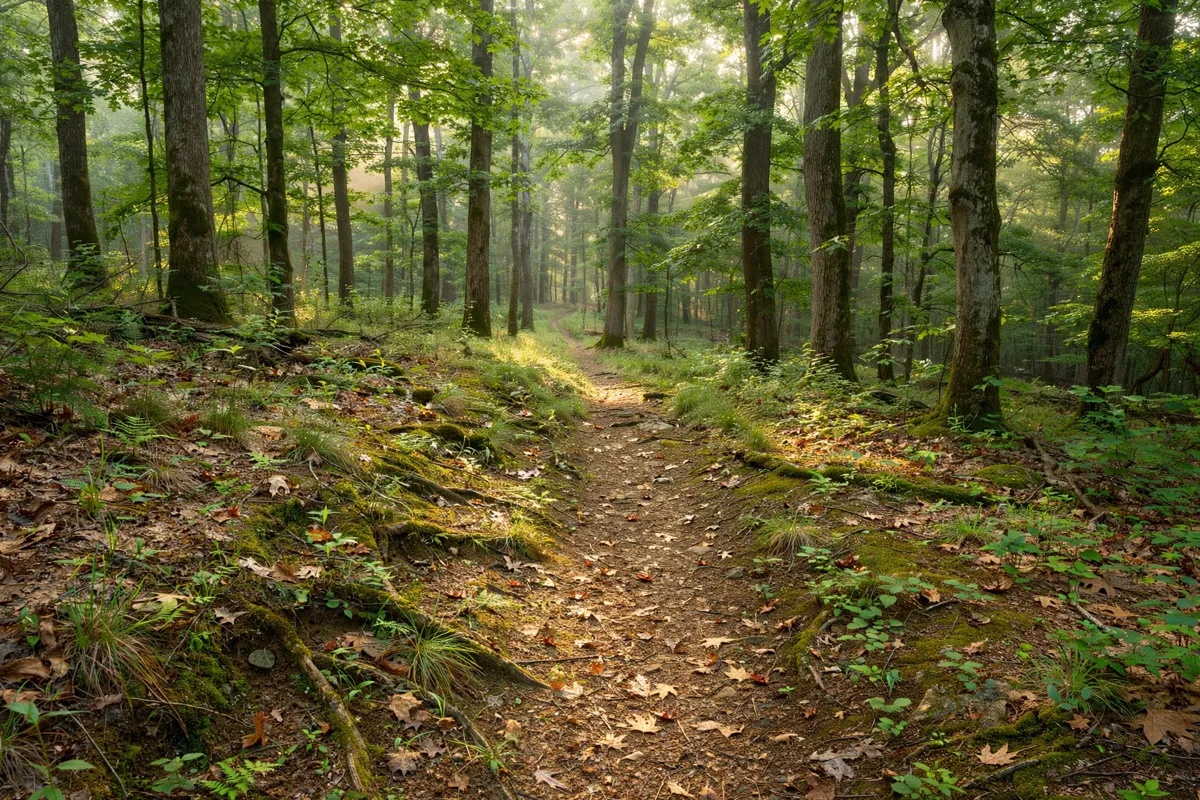
For wildflower viewing, the park recommends Moonshiner’s Run, Blue 2, Forest Road and Tom Gray trails. These named routes give you a starting point when wildflowers are part of your plan; choose a hike that matches your preferred effort, since the park’s trails range from easy to strenuous.
Blue 2 is among the recommended wildflower-viewing trails. Before setting out, check the official site before you go for current trail conditions and access details. For higher elevations, the park advises expecting temperatures to fluctuate by 10–20 degrees on a given day and recommends wearing layers.
The Appalachian Trail is not within the state park. Its access point is 8 miles from the park, so treat it as a separate stop rather than assuming it is one of the park’s day-use trails. Linville Falls is another destination covered in this trip-planning guide from Elizabethton.
What should you know about access and facilities?
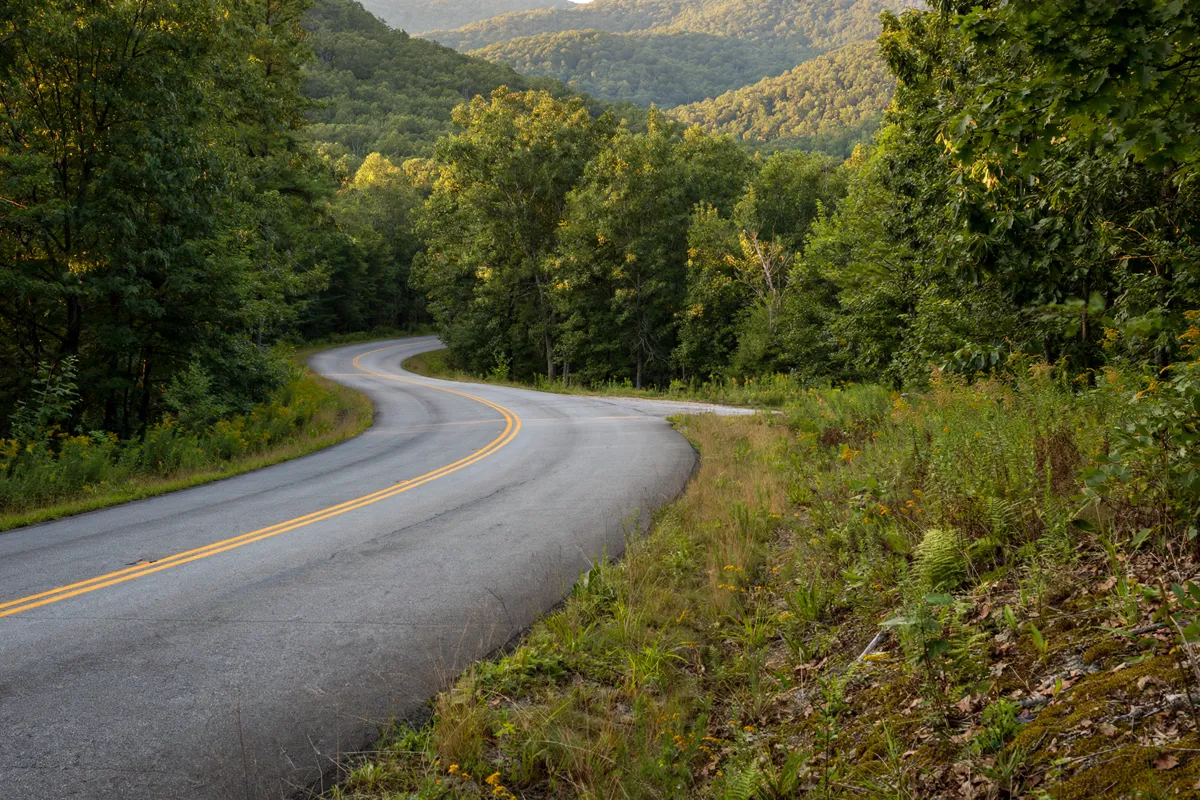
Highway 19E from Elizabethton and Newland, North Carolina, is identified as a route to Highway 143, the park’s main road. The park has 30 deluxe cabins, and cabin reservations require a 2-night minimum.
The park office is open 8:30 a.m.–4:00 p.m.; those are office hours, not a schedule for every park area or visitor facility. Higher-elevation temperatures can vary by 10–20 degrees in a day, so layers are useful preparation. For an Elizabethton starting point, a hotel in Elizabethton can be part of your trip planning.
FAQs
How many hiking trails does Roan Mountain State Park have?
The park has approximately 12 miles of day-use hiking trails, ranging from easy to strenuous.
Is the Appalachian Trail inside Roan Mountain State Park?
No. The Appalachian Trail is outside the state park, and an access point is 8 miles from the park.
Where can you look for wildflowers in the park?
The park recommends Moonshiner’s Run, Blue 2, Forest Road and Tom Gray trails for wildflower viewing.
Can you fish or wade in the Doe River?
The Doe River flows through the park, and the state park identifies wading and fishing as activities there. Visitors are asked not to stack or move river rocks.